
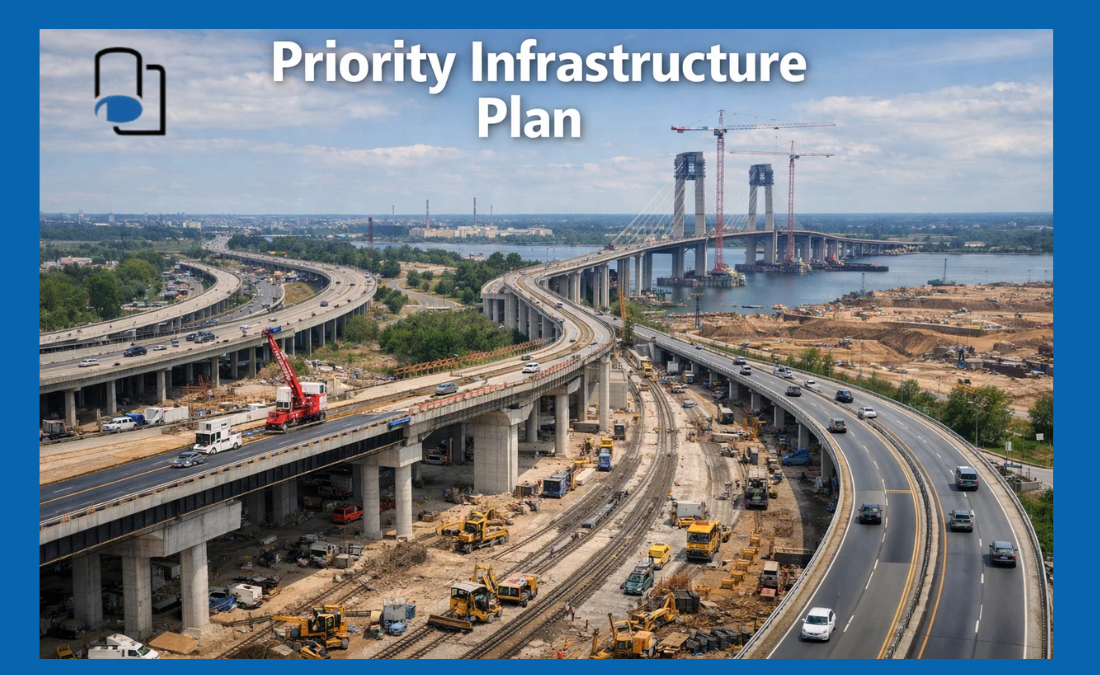

A priority infrastructure plan is a critical framework used by governments and organizations to identify, fund, and deliver the most important infrastructure projects needed for economic growth, social development, and long-term sustainability. From transportation networks and energy systems to digital connectivity and public services, a priority infrastructure plan ensures that limited resources are allocated efficiently to projects with the greatest impact.
In today’s rapidly evolving world, countries face increasing challenges such as urbanization, climate change, population growth, and technological transformation. A well-designed priority infrastructure plan helps address these challenges by setting clear goals, timelines, and investment priorities.
What Is a Priority Infrastructure Plan?
A priority infrastructure plan is a strategic document that outlines the most essential infrastructure projects a country, region, or organization must develop over a specific period. These plans typically focus on sectors such as transport, energy, water, telecommunications, healthcare, and education.
The main purpose of a priority infrastructure plan is to guide decision-making by identifying which projects are most urgent and beneficial. It balances economic feasibility, social needs, environmental sustainability, and long-term national objectives. By doing so, it helps policymakers avoid fragmented development and ensures cohesive progress.
Why a Priority Infrastructure Plan Is Important
A priority infrastructure plan plays a vital role in national and regional development. Without a structured plan, infrastructure investments can become inefficient, delayed, or misaligned with public needs.
Key reasons why a priority infrastructure plan is important include:
- Efficient use of public funds
- Improved economic productivity
- Enhanced quality of life for citizens
- Reduced regional inequality
- Support for sustainable development goals
By prioritizing projects based on impact and urgency, governments can maximize returns on investment while minimizing waste and delays.
Key Components of a Priority Infrastructure Plan
An effective priority infrastructure plan is built on several essential components that work together to ensure success.
Strategic Vision and Objectives
The plan begins with a clear vision aligned with national development goals. This includes economic growth targets, environmental commitments, and social equity objectives.
Project Identification and Prioritization
Projects are evaluated based on criteria such as cost-benefit analysis, risk assessment, urgency, and long-term impact. Only the most critical projects are included in the priority list.
Funding and Financing Strategy
A priority infrastructure plan outlines how projects will be financed, whether through public funding, private investment, public-private partnerships, or international support.
Implementation Timeline
Clear timelines and milestones help ensure accountability and allow progress to be monitored effectively.
Governance and Oversight
Strong governance frameworks ensure transparency, reduce corruption, and promote efficient execution.
Sectors Commonly Covered in a Priority Infrastructure Plan
A comprehensive priority infrastructure plan typically spans multiple sectors, each crucial to economic and social development.
Transportation Infrastructure
This includes roads, highways, railways, ports, and airports. Efficient transport networks reduce costs, improve trade, and enhance mobility.
Energy and Power Systems
Energy infrastructure such as power plants, renewable energy projects, and transmission networks ensures reliable and sustainable energy supply.
Water and Sanitation
Water treatment plants, dams, and sanitation systems are essential for public health and environmental protection.
Digital and Communication Infrastructure
Broadband networks, data centers, and digital platforms support innovation, e-commerce, and modern governance.
Social Infrastructure
Hospitals, schools, and public housing projects improve living standards and promote inclusive growth.
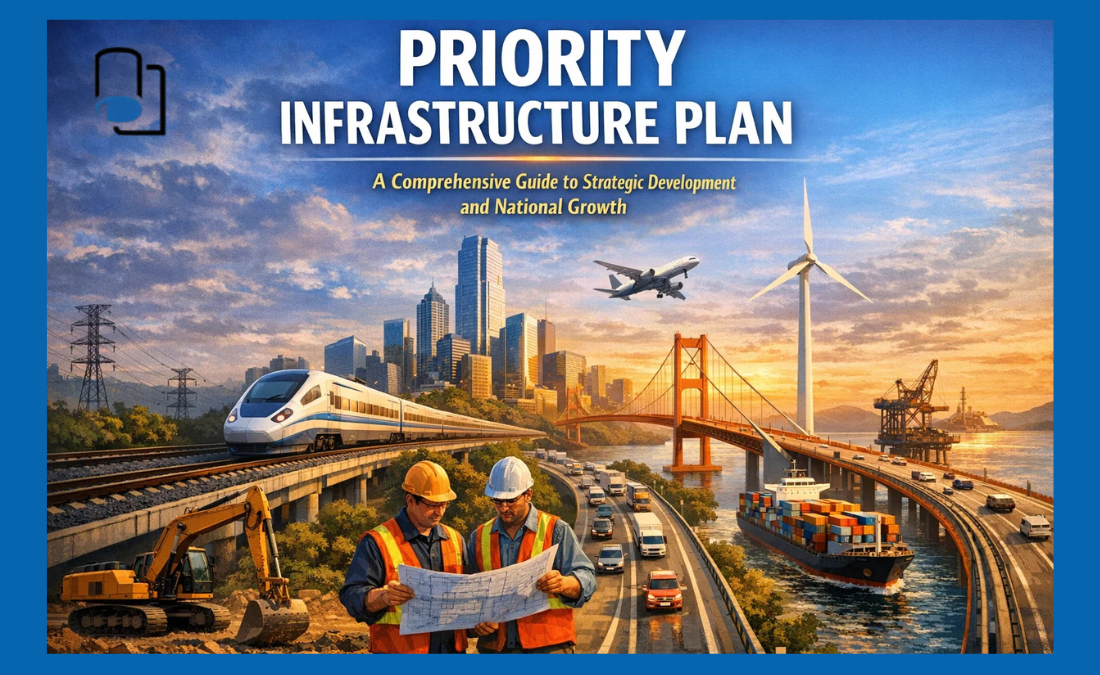
How Governments Develop a Priority Infrastructure Plan
Developing a priority infrastructure plan is a complex process that involves multiple stakeholders and extensive analysis.
Governments typically start by assessing existing infrastructure gaps and future demand. This is followed by consultations with industry experts, local authorities, and the public. Economic modeling and feasibility studies help determine which projects offer the highest returns.
Once projects are identified, governments rank them based on strategic importance and funding availability. The final plan is then published and reviewed periodically to adapt to changing circumstances.
Economic Benefits of a Priority Infrastructure Plan
A well-executed priority infrastructure plan can significantly boost economic performance. Infrastructure investment stimulates job creation, increases productivity, and attracts private investment.
Improved transportation and logistics reduce business costs, while reliable energy and digital infrastructure encourage innovation. Over time, these benefits contribute to higher GDP growth and improved global competitiveness.
Social and Environmental Impact of a Priority Infrastructure Plan
Beyond economic gains, a priority infrastructure plan has profound social and environmental implications.
Socially, it improves access to essential services such as healthcare, education, and clean water. This leads to better health outcomes, higher education levels, and reduced poverty.
Environmentally, modern infrastructure planning increasingly emphasizes sustainability. Renewable energy projects, green transport systems, and climate-resilient infrastructure help reduce carbon emissions and protect natural resources.
Challenges in Implementing a Priority Infrastructure Plan
Despite its benefits, implementing a priority infrastructure plan is not without challenges.
Common issues include funding constraints, political changes, regulatory delays, and technical complexities. Large-scale projects often face cost overruns and timeline extensions if not managed properly.
To overcome these challenges, governments must adopt transparent procurement processes, strengthen institutional capacity, and engage experienced private-sector partners.
The Role of Public-Private Partnerships in a Priority Infrastructure Plan
Public-private partnerships (PPPs) play an increasingly important role in many priority infrastructure plans. PPPs allow governments to leverage private-sector expertise, innovation, and capital.
When structured correctly, PPPs can improve efficiency, reduce risk, and accelerate project delivery. However, clear contracts and strong regulatory oversight are essential to protect public interests.
Future Trends in Priority Infrastructure Planning
The future of the priority infrastructure plan is shaped by technological advancements and global challenges. Smart infrastructure, digital twins, artificial intelligence, and data-driven decision-making are becoming integral to planning and execution.
Additionally, climate resilience and sustainability are now central considerations. Future priority infrastructure plans will increasingly focus on green energy, low-carbon transport, and adaptive infrastructure capable of withstanding extreme weather events.
Conclusion: The Long-Term Value of a Priority Infrastructure Plan
A priority infrastructure plan is far more than a list of construction projects. It is a strategic roadmap that shapes a nation’s economic future, social well-being, and environmental sustainability. By identifying and prioritizing the most critical infrastructure investments, governments can ensure that development is efficient, inclusive, and resilient.
In an era of limited resources and growing demands, a well-designed priority infrastructure plan provides clarity, direction, and confidence for policymakers, investors, and citizens alike. When implemented effectively, it becomes a powerful tool for long-term growth and national prosperity.