
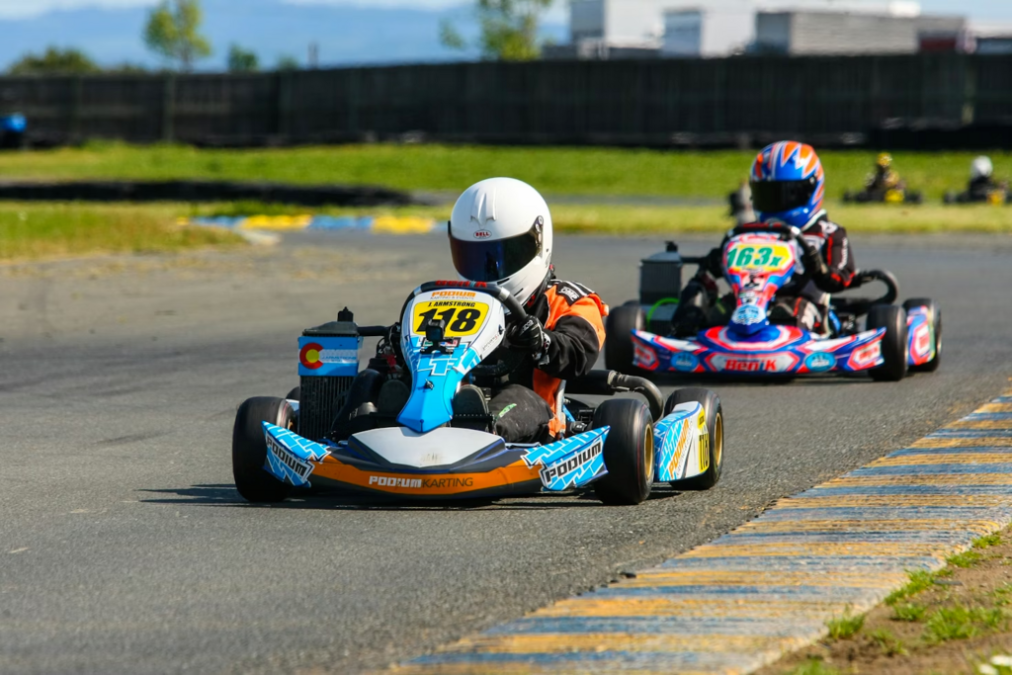

Miami’s motorsport culture pulses with energy, from the roar of engines at Homestead-Miami Speedway to the tight corners of local karting tracks. While Formula 1 and NASCAR grab headlines, karting has quietly become the city’s most accessible racing discipline—a proving ground where weekend enthusiasts and future professionals hone their skills on the same asphalt. What separates today’s karting experience from a decade ago isn’t just driver talent; it’s the rapid integration of technology into every piece of equipment, from telemetry-equipped chassis to helmets with built-in communication systems.
Miami’s Karting Evolution: From Hobby to High-Tech Sport
Karting in South Florida has matured far beyond its recreational roots. The region now hosts premier events like the Florida Winter Tour, drawing international competitors who treat Miami’s tracks as serious training venues. This growth reflects broader trends in motorsport accessibility—karting requires less capital than circuit racing while offering genuine competitive depth.
Several factors explain the sport’s momentum in Miami:
- Multi-generational appeal: Tracks accommodate drivers from age 8 to 80, creating family participation opportunities rare in motorsport
- Year-round racing climate: Miami’s weather eliminates the seasonal limitations that plague northern karting communities
- Technical sophistication: Modern karts incorporate data systems and engineering refinements that mirror professional racing technology
- Community infrastructure: Established clubs and racing schools provide structured pathways from novice to competitive levels
The technical arms race in karting equipment has accelerated particularly in the past five years. What was once a sport of mechanical simplicity now involves data acquisition systems that track cornering forces, throttle position, and brake pressure with precision previously reserved for Formula 1. This technological shift has created demand for specialized retailers who understand both the equipment and the competitive landscape.
Essential Equipment: Where Safety Meets Performance
The right gear serves dual purposes in karting—protecting drivers during incidents while enhancing their connection to the machine. Modern racing equipment represents a significant departure from the basic safety items of earlier eras, with materials science and ergonomic design playing central roles.
- Helmets: Contemporary designs use carbon fiber and advanced composites that meet FIA safety standards while weighing 20-30% less than previous generations. Integrated Bluetooth systems allow real-time coaching without compromising protection. For drivers sourcing this kind of gear, Auto Craze, Demon Tweeks, and Merlin Motorsport each carry helmet ranges built to current FIA composite standards.
- Racing suits: Multi-layer Nomex construction provides fire resistance, while newer moisture-wicking technologies address Miami’s humidity challenges that can affect driver focus during extended sessions.
- Gloves and footwear: Tactile feedback matters enormously in karting, where steering inputs measure in millimeters. Modern gloves use synthetic leathers that maintain grip sensitivity while offering abrasion protection.
- Neck and rib protection: Biomechanical research has refined support devices that limit dangerous movement during impacts without restricting the head rotation drivers need for visibility.
Quality equipment isn’t merely about comfort—it directly influences lap times by allowing drivers to maintain concentration and precision throughout races.
Kart Technology: Engineering Advantages Measured in Hundredths
The karts themselves have undergone perhaps the most dramatic technological transformation. What appears to be a simple tube-frame vehicle actually incorporates sophisticated engineering that would be recognizable to any motorsport engineer.
- Engine management: Four-stroke engines now feature electronic fuel injection and programmable ignition timing, allowing fine-tuning for track conditions and driver weight that was impossible with carburetor-based systems.
- Chassis dynamics: Computer-aided design has optimized frame geometry for specific track types. Adjustable components let drivers alter weight distribution and handling characteristics between sessions.
- Data systems: GPS-based telemetry records racing lines, braking points, and acceleration zones. Post-session analysis reveals exactly where time is gained or lost, transforming practice from guesswork into measurable improvement.
- Braking technology: Hydraulic disc systems with adjustable bias controls give drivers the stopping power and modulation that separate competitive lap times from recreational ones.
These innovations don’t just benefit elite racers. Club-level competitors increasingly use data to identify specific corners or technique issues that cost them positions, democratizing the analytical approach that professional teams have used for decades.
Safety Equipment: Non-Negotiable Protection Standards
Karting’s accessibility shouldn’t obscure its genuine risks. Speeds exceeding 70 mph on outdoor tracks, combined with minimal bodywork protection, make comprehensive safety gear essential rather than optional.
- Certified helmets: Snell or FIA certification isn’t marketing language—it represents specific impact testing that recreational helmets don’t undergo. Full-face designs protect against both direct impacts and debris.
- Fire-resistant suits: Even in electric karts, friction and mechanical failures create fire risks. Proper suits buy crucial seconds for safe exit.
- Rib protectors: Side impacts from other karts represent the most common injury mechanism. Modern protectors distribute forces across larger areas while allowing the breathing movement necessary during physical exertion.
- Neck braces: These devices limit the extreme flexion and extension that cause soft tissue injuries during collisions, particularly important given the lack of headrests in most karts.
- Proper footwear: Thin-soled racing shoes provide pedal feel while protecting feet from the heat generated by brake systems and exhaust components.
Investment in quality safety equipment pays dividends beyond injury prevention—drivers who trust their gear push harder and brake later, knowing they’re protected if something goes wrong.
The Physical and Mental Benefits of Competitive Karting
Beyond the obvious thrill, karting delivers measurable benefits that extend well beyond the track. The sport’s unique combination of physical demand and mental intensity creates training effects that few recreational activities match.
- Cardiovascular conditioning: Heart rates during competitive sessions regularly reach 160-180 bpm, sustained for 15-20 minutes—equivalent to high-intensity interval training.
- Core and upper body strength: Controlling a kart through high-speed corners generates lateral forces exceeding 2G, requiring sustained muscular effort that builds functional strength.
- Reaction time and decision-making: Split-second choices about overtaking opportunities or defensive lines sharpen cognitive processing under pressure.
- Spatial awareness: Managing position relative to other karts while planning several corners ahead develops the kind of situational awareness that transfers to everyday driving and other activities.
- Stress management: The intense focus required during racing creates a meditative state that many drivers describe as therapeutic, providing mental reset from daily pressures.
These benefits apply across age groups, making karting one of the few sports where teenagers and middle-aged adults compete on genuinely equal terms, with experience and fitness balancing youthful reflexes.
Emerging Technologies Reshaping the Sport
The next wave of karting innovation is already visible in professional series and will inevitably filter down to club racing. Several technologies stand poised to further transform the experience:
- Augmented reality training: AR systems overlay ideal racing lines and braking points onto real track views, accelerating the learning curve for new drivers while helping experienced racers refine technique.
- Biometric monitoring: Heart rate variability and other physiological markers help drivers understand their stress responses and identify when fatigue begins affecting performance.
- Electric powertrains: Battery-powered karts eliminate engine maintenance while providing instant torque and programmable power delivery curves that can adapt to driver skill levels.
- Advanced materials: Carbon fiber components continue dropping in price, making lightweight construction accessible beyond professional teams.
- Predictive maintenance: Sensor systems that monitor bearing temperatures, chain tension, and other mechanical parameters can alert drivers to developing problems before they cause failures.
These technologies won’t replace driver skill—if anything, they raise the performance ceiling by eliminating variables that previously masked talent differences. The driver who best interprets data and applies those insights will gain advantages that raw speed alone can’t overcome.