
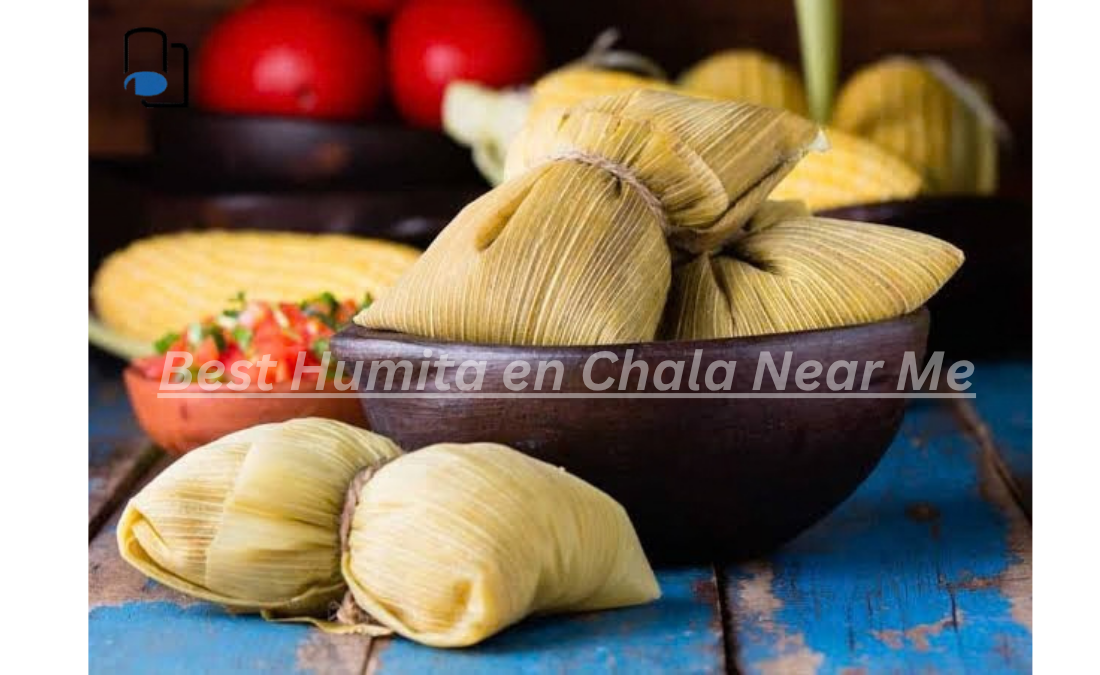

When people search for “best humita en chala near me,” they are usually looking for a restaurant, market, or traditional South American food establishment serving an authentic version of this distinctive corn dish. Humita en chala is much more than a simple corn recipe. It is a traditional preparation strongly associated with the Andean regions of South America and, particularly, northern Argentina.
The dish is made from fresh corn, often combined with onion, squash, peppers, herbs, spices, and cheese. The mixture is wrapped inside corn husks, known as chala, and cooked until the filling becomes soft, creamy, and flavorful. Argentina’s official tourism information describes humita as a pre-Hispanic preparation whose principal ingredients include corn and squash, with regional variations found especially in Salta, Jujuy, and Tucumán.
If you want to find the best humita en chala near you, understanding what authentic humita tastes like and what to look for can make your search much easier.
What Is Humita en Chala?
Humita en chala is a traditional corn-based dish prepared by placing a seasoned corn mixture inside corn husks. The husks are folded around the filling to create a small parcel, which is then boiled or steamed.
The word chala refers to the outer leaves or husks surrounding an ear of corn. These husks are not normally eaten. Instead, they act as a natural wrapper that keeps the corn mixture together during cooking.
In northern Argentina, humita is prepared in two major forms: humita en chala, which is wrapped in corn husks, and humita a la olla, which is cooked and served directly in a pot or bowl. The Argentine tourism authority explains that the version in chala has a firmer texture because the corn mixture is enclosed in the husk.
The Origins of Humita
Humita has deep roots in the indigenous and Andean food traditions of South America. It developed around corn, one of the most important crops in the region.
Northern Argentina is particularly associated with the dish. Salta, Jujuy, and Tucumán are frequently identified with traditional humita, and local tourism sources continue to present it as an important part of regional cuisine.
The preparation also reflects an older style of cooking in which ingredients were wrapped in natural leaves before being cooked. Using the corn husk itself as the wrapper makes the dish practical while also preserving the connection between the food and the crop from which it is made.
What Does Humita en Chala Taste Like?
The flavor of humita can vary considerably depending on the recipe.
Fresh corn provides the main flavor. It naturally gives the dish a mildly sweet taste, while onion, peppers, herbs, paprika, chili, and other seasonings can provide savory or spicy notes.
Cheese is another common ingredient. Some traditional versions contain a piece of cheese in the center, creating a soft and melted filling when the humita is served.
Northern Argentine recipes can also include squash, which contributes additional sweetness and a creamy consistency. Argentina’s tourism information describes the filling as thick and soft, with versions containing corn, squash, cheese, and chili.
This means that an authentic humita does not necessarily taste like a conventional savory tamale. Depending on the recipe, it can have a pleasant balance between sweet corn and savory ingredients.
Main Ingredients Used in Humita en Chala
Although recipes differ between regions and families, several ingredients appear frequently.
Fresh Corn
Fresh corn, called choclo in Spanish, is the foundation of the dish. The kernels are generally grated, ground, or processed to create a thick corn mixture.
Fresh corn is particularly important because it provides both moisture and natural sweetness.
Corn Husks
The husks surrounding the corn are carefully removed and saved. They are washed, softened, and arranged to form the wrappers.
Two husks are often positioned across one another before the filling is added.
Onion
Onion adds a savory foundation. It is commonly sautéed before being mixed with the corn.
Squash
Some northern Argentine recipes combine corn with squash. This produces a softer and richer filling while adding another layer of natural sweetness.
Cheese
Cheese is common in many versions. Goat cheese, creamy cheese, or other regional cheeses may be used depending on the recipe.
Peppers and Spices
Bell peppers, paprika, chili, salt, pepper, cumin, and basil can all appear in different regional preparations.
Because recipes vary, two restaurants can serve humitas that look similar but taste noticeably different.
How Traditional Humita en Chala Is Prepared
The preparation process requires several steps.
First, the corn husks are removed carefully and the best leaves are kept for wrapping. The corn kernels are then separated from the cobs.
The kernels may be grated or processed until they become a thick paste. Depending on the recipe, squash, onion, peppers, milk, herbs, and spices are added.
A traditional Argentine recipe from Cocineros Argentinos combines fresh corn with sautéed onion and pepper, then places cheese in the center of the filling. The mixture is wrapped in two corn husks and tied using strips of husk.
The wrapped humitas are then cooked in hot water or steamed. Cooking times vary substantially between recipes. Some preparations take around an hour, while other regional versions use shorter cooking times.
Humita en Chala vs. Tamales
Humita en chala is sometimes compared with tamales because both involve a seasoned filling wrapped in a natural leaf and cooked.
However, they are not exactly the same dish.
Humita focuses heavily on fresh corn, while tamales can use various types of corn dough and fillings. Humita also has its own regional traditions and characteristic sweet-savory corn flavor.
The use of the corn husk makes the connection with fresh corn particularly clear.
For someone trying humita for the first time, it is useful to think of it as a fresh-corn parcel with a creamy filling, rather than simply calling it an Argentine tamale.
Where Is Humita en Chala Most Popular?
Northern Argentina is one of the most important regions for humita.
Salta
Salta is famous for traditional northern Argentine cuisine, and humita is an important part of its regional food culture.
Jujuy
Jujuy also has a strong Andean culinary tradition. Humita can be found in traditional restaurants and local markets.
Tucumán
Tucumán tourism information describes humita as one of the region’s traditional dishes and provides recipes for both humita in a pot and humita in corn husks.
Argentina’s national tourism information also specifically recommends places such as the municipal market in Tilcara, Jujuy, for visitors interested in trying regional humitas.
How to Find the Best Humita en Chala Near You
If you are searching online for “best humita en chala near me,” don’t limit your search to those exact words.
Restaurants may use different descriptions, including:
- Humita en chala
- Humitas
- Argentine humita
- Northern Argentine humita
- Andean humita
- Humita de choclo
- Traditional Argentine corn humita
Searching Google Maps, restaurant websites, local food apps, and social media using several of these terms can produce more results.
It is also useful to check the restaurant’s current menu before visiting. Humita can be seasonal or unavailable on certain days, particularly outside regions where it is a common traditional food.
What to Look for in a Good Humita
A good humita en chala should have a soft but reasonably firm filling. It should not be watery or completely dry.
The corn flavor should remain noticeable. Fresh corn is normally the central ingredient, while onion, spices, herbs, cheese, or squash should complement rather than completely hide the corn.
The husk should hold the parcel together without making the dish difficult to unwrap.
If cheese is included, it may provide a creamy center that contrasts with the soft corn mixture.
Most importantly, the preparation should taste balanced. Since there are sweet and savory regional styles, there is no single flavor profile that applies to every authentic humita.
Sweet and Savory Versions
One interesting feature of humita is that it can be prepared in both sweet and savory styles.
A savory version might include onion, peppers, paprika, chili, basil, and cheese.
A sweeter version can emphasize the natural sweetness of fresh corn and may include sugar and milk. Cocineros Argentinos, for example, presents a Salteña preparation that can be divided into sweet and savory versions, with sugar used in the sweet variation and chili in the savory one.
Therefore, if you order humita and find it slightly sweet, that does not automatically mean it is incorrectly prepared.
How Humita Is Served
Humita en chala is usually served inside its corn-husk wrapper.
The diner opens the husk before eating the filling. The husk itself is generally discarded.
Humita can be served as a main dish, side dish, or part of a larger traditional Argentine meal. In northern Argentina, it may appear alongside other regional specialties such as empanadas and tamales.
Some versions contain cheese in the center, making them particularly satisfying when served hot.
Why Humita en Chala Is Worth Trying
For people interested in traditional South American food, humita provides an opportunity to experience a dish closely connected with corn-growing communities and northern Argentine culinary traditions.
Its ingredients are relatively simple, but preparation requires care. Fresh corn has to be processed into the correct consistency, the husks need to be prepared properly, and the parcels must be wrapped securely.
The result is a dish with a distinctive presentation and a combination of creamy corn, herbs, vegetables, spices, and sometimes melted cheese.
Final Thoughts
The search for “best humita en chala near me” can lead to an excellent introduction to northern Argentine cuisine. Humita en chala is a traditional corn preparation made by wrapping a seasoned fresh-corn mixture in corn husks and cooking it until tender.
Its strongest regional connections are found in northern Argentina, especially Salta, Jujuy, and Tucumán. The exact recipe varies from place to place, with ingredients such as squash, onion, peppers, basil, paprika, chili, milk, and cheese appearing in different versions.
When looking for one locally, search beyond the exact phrase “humita en chala” and check restaurants offering Argentine or Andean cuisine. Always confirm that the dish is currently available because traditional humita may not appear on every menu every day.
Frequently Asked Questions
1. What is humita en chala?
Humita en chala is a traditional corn dish in which a mixture made primarily from fresh corn is wrapped in corn husks and cooked. Depending on the regional recipe, it may also contain squash, onion, peppers, herbs, spices, and cheese.
2. What does “chala” mean?
“Chala” refers to the husk or leaves surrounding an ear of corn. In humita en chala, these leaves are used as a natural wrapper around the corn filling.
3. Is humita en chala sweet or savory?
It can be either. Fresh corn naturally provides sweetness, while onion, peppers, chili, herbs, and cheese create savory versions. Some regional recipes deliberately prepare separate sweet and savory varieties.
4. Where is humita en chala traditionally eaten?
It is strongly associated with the Andean and northern regions of Argentina, particularly Salta, Jujuy, and Tucumán. It is also part of the wider Andean culinary tradition of South America.
5. How can I find the best humita en chala near me?
Search Google Maps and restaurant websites for terms such as “humita en chala,” “Argentine humita,” “humitas,” and “Northern Argentine cuisine.” Check the current menu or contact the restaurant before visiting, because availability can vary by location and season.