

What Is an Acryldach?
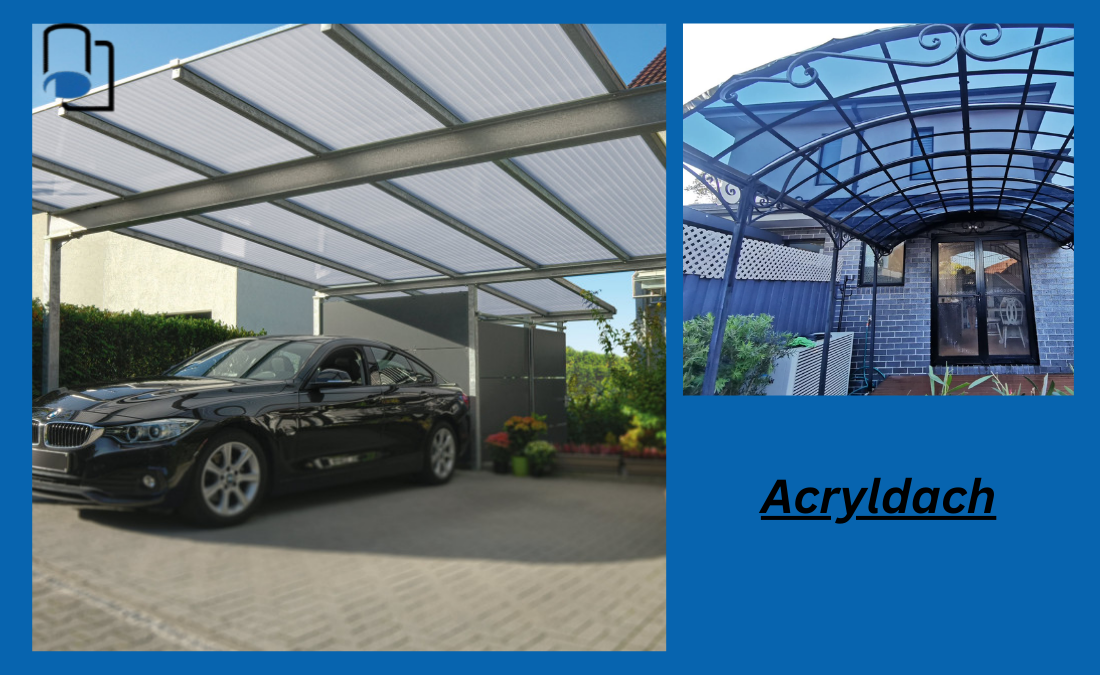
An acryldach is a roofing structure made from acrylic material, often referred to as polymethyl methacrylate (PMMA). Acrylic is a transparent thermoplastic that is widely used as a lightweight and shatter-resistant alternative to glass. In modern construction, an acryldach is commonly installed for patios, terraces, carports, greenhouses, conservatories, and even commercial buildings where natural light and weather protection are both essential.
The popularity of the acryldach has increased significantly over the years due to its durability, affordability, and aesthetic appeal. Unlike traditional roofing materials such as tiles or metal sheets, acrylic roofing allows sunlight to pass through, creating bright and welcoming spaces underneath.
An acryldach can be clear, tinted, frosted, or colored depending on the design requirements. Its versatility makes it suitable for both residential and commercial applications.
Benefits of Installing an Acryldach
One of the primary reasons homeowners and architects choose an acryldach is its impressive list of advantages. These benefits make it a practical and attractive option for many types of projects.
1. Excellent Light Transmission
An acryldach allows up to 90% of natural light to pass through. This creates a bright environment underneath the roof, reducing the need for artificial lighting during the day.
2. Lightweight Material
Compared to glass, acrylic is much lighter. This makes transportation, handling, and installation easier and more cost-effective.
3. High Impact Resistance
Although lightweight, acrylic is highly durable and resistant to impact. It does not shatter easily, making it safer than traditional glass roofing.
4. Weather Resistance
An acryldach can withstand various weather conditions, including heavy rain, snow, and strong sunlight. Many acrylic sheets are UV-resistant, preventing discoloration over time.
5. Design Flexibility
Acrylic sheets can be curved or shaped, allowing architects to create modern and innovative roof designs.
Types of Acryldach Systems
There are several types of acryldach systems available on the market, each designed to meet specific needs.
Clear Acryldach
This type offers maximum transparency and is ideal for spaces where natural light is a priority, such as greenhouses or sunrooms.
Tinted Acryldach
Tinted acrylic sheets reduce glare and provide shade while still allowing natural light to pass through. They are often used for carports and terraces.
Corrugated Acryldach
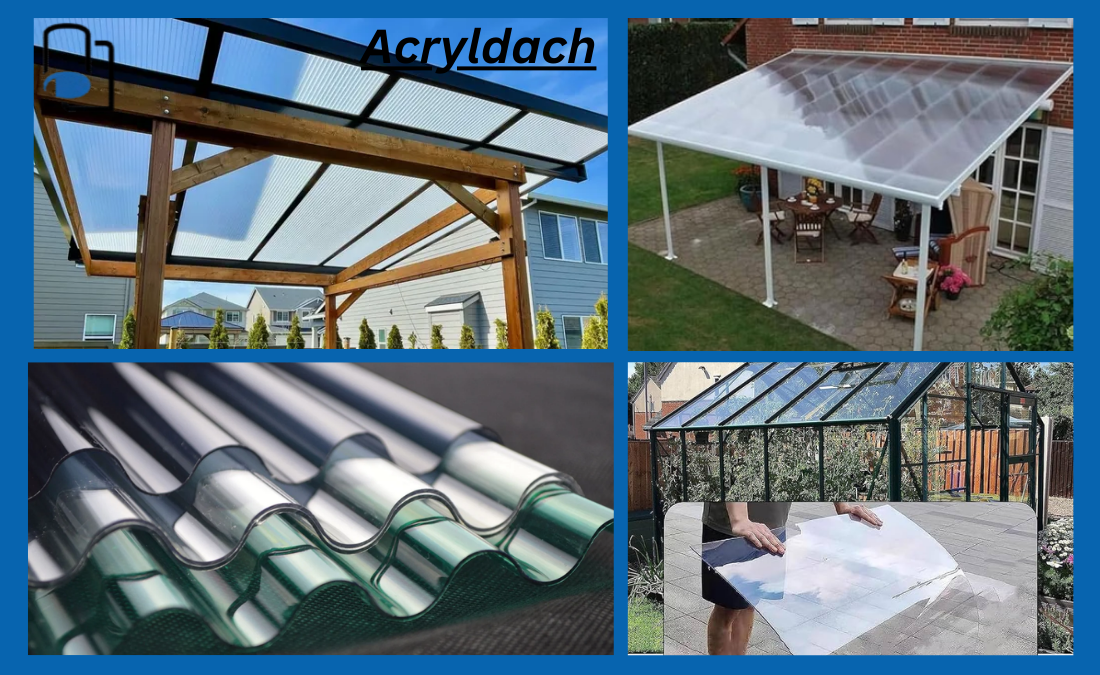
Corrugated panels provide extra strength and improved water drainage. This design is popular for outdoor shelters and industrial buildings.
Frosted Acryldach
Frosted panels offer privacy while maintaining light diffusion. They are commonly used in residential patio covers.
Common Applications of an Acryldach
An acryldach can be installed in various settings. Its versatility makes it suitable for multiple architectural needs.
Patio Covers
Homeowners often choose an acryldach to protect outdoor seating areas from rain while still enjoying sunlight.
Carports
An acrylic roof provides protection from rain, hail, and UV rays, keeping vehicles safe without blocking natural light.
Greenhouses
Because of its excellent light transmission, an acryldach is perfect for greenhouses. It allows plants to receive the sunlight they need for healthy growth.
Conservatories
Modern conservatories often use acrylic roofing to create bright and energy-efficient spaces.
Installation Process of an Acryldach
Installing an acryldach requires careful planning and proper tools. While professional installation is recommended for larger projects, smaller patio roofs can sometimes be installed as DIY projects.
Step 1: Measuring and Planning
Accurate measurements are essential to ensure a proper fit. The supporting frame must be strong enough to handle wind and snow loads.
Step 2: Preparing the Structure
The frame, usually made of aluminum, steel, or wood, should be level and securely anchored.
Step 3: Placing the Acrylic Sheets
Sheets are positioned carefully, leaving room for thermal expansion. Acrylic expands and contracts with temperature changes, so small gaps are necessary.
Step 4: Sealing and Fastening
Special screws with rubber washers are used to prevent leaks. Proper sealing ensures water resistance.
Maintenance and Care for an Acryldach
An acryldach requires minimal maintenance, but regular cleaning can extend its lifespan.
- Clean with mild soap and water.
- Avoid abrasive cleaners that may scratch the surface.
- Remove debris such as leaves to prevent water buildup.
- Inspect seals and fasteners periodically.
With proper care, an acryldach can last 20 years or more.
Energy Efficiency and Environmental Impact of an Acryldach
Modern acrylic roofing often includes UV coatings that help regulate temperature. By allowing natural light inside, an acryldach reduces the need for artificial lighting, lowering energy consumption.
Additionally, many acrylic materials are recyclable. Choosing high-quality products from reputable manufacturers ensures better environmental performance and long-term sustainability.
Acryldach vs. Other Roofing Materials
When comparing an acryldach with other materials like polycarbonate, glass, or metal, several differences stand out.
Acryldach vs. Glass
Acrylic is lighter and more impact-resistant than glass. However, glass may offer slightly better scratch resistance.
Acryldach vs. Polycarbonate
Polycarbonate is generally stronger and more impact-resistant, but acrylic provides better clarity and UV stability.
Acryldach vs. Metal Roofing
Metal roofs are fully opaque and block light completely, while an acryldach creates bright, open spaces.
Cost Considerations of an Acryldach
The cost of an acryldach depends on factors such as thickness, size, design complexity, and installation method.
- Basic acrylic sheets are relatively affordable.
- Custom shapes or tinted panels may cost more.
- Professional installation increases overall expenses.
Despite the initial investment, many homeowners find that the durability and low maintenance costs make an acryldach a cost-effective solution in the long term.
Safety Features of an Acryldach
Safety is a major concern in roofing systems. Acrylic sheets used in an acryldach are designed to resist impact and harsh weather. Many products come with fire-resistant and UV-protective coatings.
In areas with heavy snowfall, thicker panels are recommended to handle weight loads effectively.
Design Trends Featuring Acryldach
Modern architecture increasingly embraces transparency and open spaces. An acryldach complements minimalist and contemporary designs.
Popular trends include:
- Frameless acrylic roofs
- Curved and arched structures
- Combination of wood frames with clear acrylic panels
- Integrated LED lighting beneath the acrylic roof
These innovations enhance both function and style.
Conclusion: Why an Acryldach Is a Smart Roofing Choice
An acryldach offers a perfect combination of durability, transparency, and modern design. Its ability to provide weather protection while allowing natural light makes it an excellent choice for patios, carports, greenhouses, and conservatories. Lightweight yet strong, easy to maintain, and visually appealing, acrylic roofing systems continue to gain popularity worldwide.
Whether you are planning a home improvement project or designing a commercial structure, an acryldach can enhance the overall appearance and functionality of your space. With proper installation and maintenance, it provides long-lasting performance and aesthetic value.
In today’s architectural landscape, where sustainability, energy efficiency, and style are increasingly important, the acryldach stands out as a reliable and innovative roofing solution.