
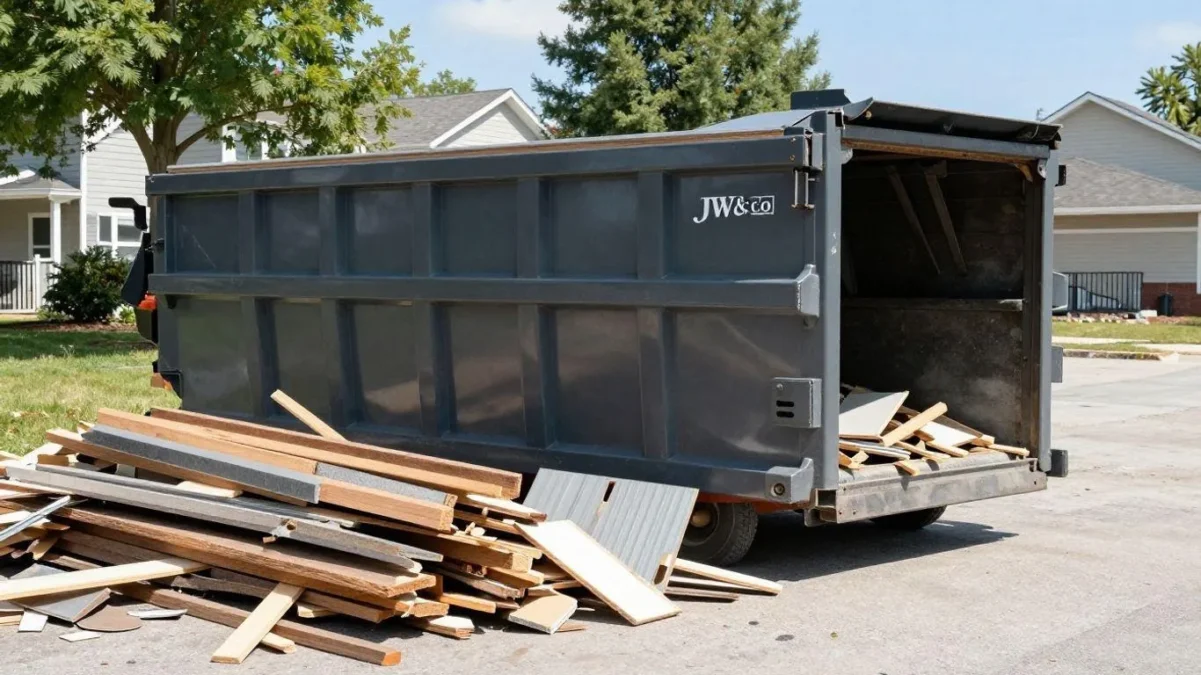

Multi-property rehabilitation projects introduce a layer of logistical complexity that single-property renovations rarely encounter. Real estate investors and developers working across several homes, apartment units, or mixed-use buildings must manage demolition timelines, contractor sequencing, inspections, financing milestones, and resale strategies simultaneously. Waste removal, when poorly coordinated, becomes one of the most common friction points in these portfolios.
A dumpster that arrives too early occupies valuable staging space. One that arrives too late delays demolition crews and pushes back inspections. Across multiple properties, these small misalignments multiply quickly. Coordinating dumpster deliveries strategically is essential to maintaining predictable rehab timelines and protecting investment margins.
Waste logistics in multi-property projects should be approached as a centralized system rather than a series of isolated service calls.
The Unique Complexity of Multi-Property Rehab Work
When managing several properties at once, investors and developers face overlapping project phases. One property may be in demolition while another is in rough-in, and a third is entering finish work. Each stage generates different types and volumes of debris.
Unlike a single-site project, delivery timing must account for:
- Varying start dates
- Staggered contractor availability
- Permit inspection schedules
- Cash flow timing tied to milestones
- Geographic spread across neighborhoods
Coordinating waste removal across this network requires a broader planning lens.
Aligning Delivery Timing with Demolition Windows
Demolition is often the first major debris-producing phase of a rehab. If dumpsters are not on-site when crews begin tear-out, waste piles accumulate quickly, creating safety and staging problems.
Conversely, delivering containers too far in advance can create unnecessary rental days and block material drop zones.
Effective coordination involves:
- Confirming demolition start dates with contractors
- Building in short buffer windows for delays
- Scheduling delivery the day before or morning of active tear-out
Clear communication between project managers and demolition teams ensures containers are present exactly when needed.
Sequencing Deliveries Across Multiple Addresses
Portfolio rehabs often span several blocks or neighborhoods. Delivering dumpsters to all properties simultaneously may strain hauling capacity or overwhelm staging space.
Instead, staggered sequencing supports smoother operations. For example, properties can be grouped by:
- Geographic proximity
- Demolition phase timing
- Contractor availability
- Permit approval status
Staggered scheduling reduces congestion and ensures hauling resources are available where debris generation is highest.
Centralized oversight of these sequences prevents accidental overlap or missed deliveries.
Managing Limited Urban or Residential Space
Many multi-property rehabs occur in dense residential zones where space is limited. Driveways may be narrow. Curb placement may require permits. Adjacent neighbors may have limited tolerance for extended container presence.
Coordinating deliveries in these settings requires sensitivity to:
- Street parking patterns
- Right-of-way regulations
- Neighborhood traffic flow
- Permit timelines
Delivering too many containers into a single block can create congestion or trigger complaints. Planning placement thoughtfully protects project continuity.
Avoiding Idle Containers and Rental Overruns
One of the most common financial leaks in multi-property rehab projects is idle rental time. Containers delivered before demolition begins or left in place after tear-out concludes accumulate unnecessary rental days.
Across multiple properties, idle time compounds quickly.
To reduce overruns, investors and developers should:
- Confirm contractor readiness before scheduling delivery
- Monitor fill levels regularly
- Schedule prompt pickup once debris phases conclude
Centralized tracking of container status across properties helps identify inefficiencies early.
Coordinating Swaps During High-Volume Phases
Some properties generate more debris than initially estimated, particularly when hidden structural issues are uncovered. In these cases, swap coordination becomes critical.
If one property requires an unexpected additional container, hauling capacity may need adjustment across the portfolio.
Real estate developers benefit from maintaining flexible scheduling and clear communication with providers to accommodate mid-project adjustments without disrupting other properties.
Industry discussions frequently reference coordination through platforms such as Waste Removal USA when examining how investors standardize waste planning across multiple sites while maintaining adaptability for unforeseen demolition volume.
Scalable coordination improves predictability.
Tracking Material Type and Weight Across Sites
Different properties generate different waste streams. One rehab may involve primarily drywall and cabinetry. Another may include roofing tear-offs or masonry removal.
Material density influences container capacity and swap frequency. Developers overseeing several properties simultaneously should track:
- Estimated debris type per address
- Weight accumulation trends
- Swap frequency per phase
Data tracking allows better forecasting for future projects and prevents surprise overage charges.
Integrating Waste Planning Into Project Management Systems
Multi-property rehabs require structured project management. Waste logistics should be integrated into that system rather than handled informally.
Including waste milestones in project schedules ensures:
- Delivery aligns with contractor start dates
- Pickup aligns with inspection scheduling
- Swap timing does not conflict with staging needs
Treating waste removal as a core project phase supports smoother coordination across the portfolio.
Communication Between Contractors and Developers
In portfolio projects, contractors may operate semi-independently at different addresses. Without clear communication, delivery timing can become misaligned.
Developers should establish protocols for:
- Confirming demolition start dates
- Reporting container fill levels
- Requesting swaps with advance notice
- Documenting pickup completion
Clear reporting standards reduce confusion and prevent last-minute scheduling emergencies.
Managing Permit Requirements Across Jurisdictions
If properties span multiple municipalities, permit requirements for street placement may differ. Some cities require separate permits per address. Others enforce strict duration limits.
Developers must verify local rules before scheduling deliveries. Failure to secure proper authorization at even one property can result in fines or forced container removal, disrupting that rehab timeline.
Centralizing permit tracking across properties reduces compliance risk.
Budgeting for Disposal Across Multiple Assets
Waste removal costs across a portfolio can fluctuate based on:
- Debris density
- Rental duration
- Swap frequency
- Permit fees
Coordinated scheduling helps stabilize disposal costs. When deliveries are planned strategically, investors avoid emergency hauls and unnecessary rental days.
Consistent tracking of disposal expenses across properties improves financial forecasting and margin protection.
Preparing for Inspection and Appraisal Milestones
In rehab projects, inspections and appraisals often require clean and accessible interiors. Delayed container removal can leave debris visible during walkthroughs, affecting perceived project readiness.
Coordinating timely pickup before inspection dates ensures properties present professionally and meet lender or buyer expectations.
Waste removal should align with these milestone events to avoid preventable delays.
Protecting Curb Appeal During Active Rehab
Multi-property rehabs often occur in neighborhoods where investor activity is visible. Maintaining organized waste containment supports professional presentation and reduces neighbor concerns.
Overflowing or poorly positioned dumpsters can generate complaints or community resistance.
Consistent, orderly placement demonstrates operational control and helps maintain positive relationships with surrounding property owners.
Common Coordination Mistakes in Portfolio Rehabs
Recurring issues include:
- Scheduling deliveries before demolition crews are ready
- Overlapping container placements on the same block
- Ignoring permit differences between municipalities
- Failing to monitor fill levels across sites
- Allowing idle containers to remain after tear-out
These errors often stem from fragmented communication or decentralized oversight.
Centralized coordination corrects these inefficiencies.
Building a Scalable Waste Strategy
As real estate investors expand their portfolios, scalable systems become increasingly important. Waste logistics should grow with the portfolio.
A scalable strategy includes:
- Centralized scheduling oversight
- Standardized communication protocols
- Data tracking for weight and duration
- Pre-planned swap triggers
When waste coordination becomes systematic, multi-property rehabs operate more smoothly and predictably.
Coordinating dumpster deliveries during multi-property rehab projects requires more than scheduling containers on demand. It demands centralized oversight, alignment with contractor timelines, awareness of permit requirements, and proactive monitoring of debris generation.
For real estate investors and developers managing multiple assets simultaneously, organized waste planning protects budgets, preserves timelines, and supports professional project execution. By treating dumpster coordination as a strategic component of portfolio management, developers reduce friction and maintain control across every address in their rehab pipeline.