
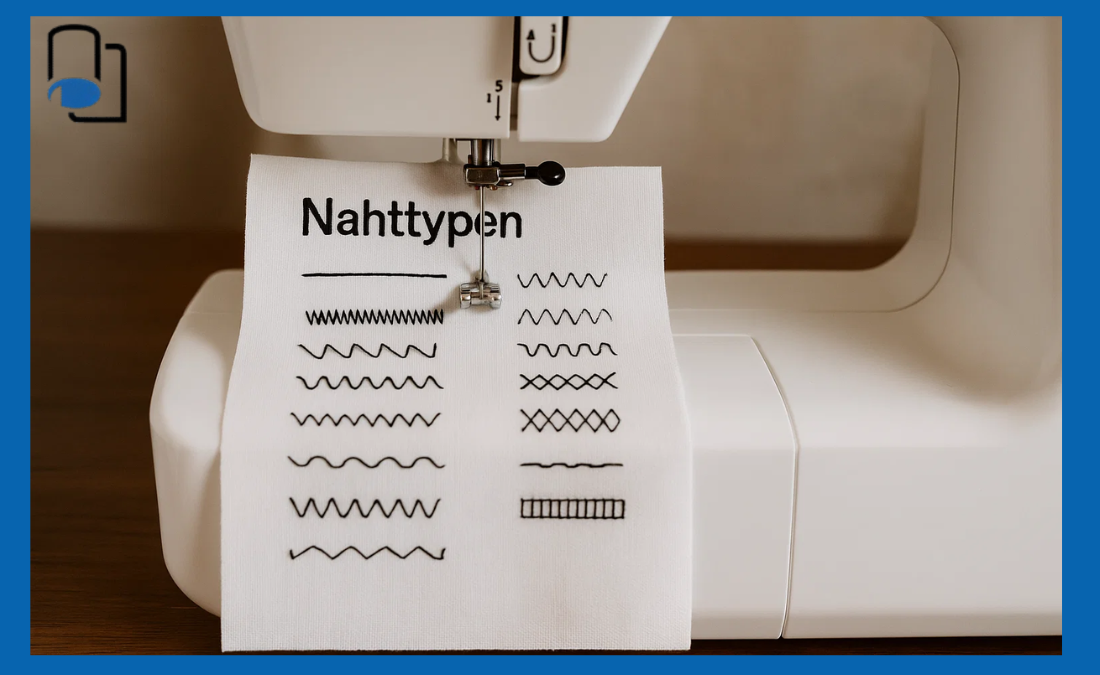

When working with fabric, the way two pieces are joined together influences not only the look but also the durability, functionality, and overall quality of the finished project. In the world of sewing, the German word “nahttypen” refers to different types of seams. Understanding these seam types is essential for beginners, hobby sewists, and professional tailors alike. This article explores various nahttypen, their uses, benefits, construction techniques, and the situations in which each is most effective.
What Are Nahttypen? Understanding the Basics of Seam Types
The term nahttypen describes the different techniques used to join two or more pieces of fabric. Seams are the foundation of any garment or textile project; they hold the structure together and influence the piece’s strength, appearance, and shape.
Seams may differ based on:
- Fabric thickness
- Garment type
- Purpose (decorative, structural, or functional)
- Desired finish
- Strength required
Before choosing the right seam, it is important to understand fabric behavior, stretch, direction of the grain, and seam allowances.
Common Nahttypen: The Most Widely Used Seam Types
There are numerous seam types in sewing, but certain nahttypen appear in most clothing and crafting projects. These standard seams are easy to sew and suitable for a wide range of uses.
1. Plain Seam (Geradstichnaht)
A plain seam is the simplest and most common type of seam. It is created by placing two fabric pieces right sides together and sewing straight through the seam allowance.
Uses: Dresses, shirts, pants, crafts, quilting, general construction.
Benefits: Easy to sew, versatile, fast, and suitable for almost all fabrics.
2. Zigzag Seam (Zickzacknaht)
A zigzag seam is used mainly on stretchy fabrics or for finishing raw edges to prevent fraying.
Uses: Knits, elastic attachment, edge finishing.
Benefits: Allows flexibility, prevents edge unraveling.
3. Overlock Seam (Overlocknaht / Serger Seam)
This seam trims the fabric edge while stitching, using an overlock machine. It binds the edge to stop fraying and creates a professional finish.
Uses: T-shirts, leggings, activewear.
Benefits: Clean edges, strong stretch, professional appearance.
4. French Seam (Französische Naht)
A French seam encloses the raw edges inside, creating a clean and delicate finish.
Uses: Sheer fabrics, lingerie, lightweight garments.
Benefits: No visible raw edges, refined finish, strong.
5. Flat-Felled Seam (Kappnaht)
This seam is used for high-strength areas and creates a flat, enclosed finish similar to what is found in jeans.
Uses: Denim, trousers, workwear.
Benefits: Very strong, durable, and visually appealing.
Advanced Nahttypen: Seam Types for Professional Results
Some nahttypen require more experience or precision but provide excellent results for special situations.
1. Lapped Seam
Fabric edges overlap instead of meeting. This seam lies flat and is often decorative.
Uses: Leatherwork, vinyl, felt, appliqué.
Benefits: Strong, stylish, reduces bulk.
2. Bound Seam
A binding strip is sewn over the raw edges to enclose them, usually with bias tape.
Uses: Jackets, unlined garments, quilts.
Benefits: Pretty finish, protects edges, long-lasting.
3. Welt Seam
This seam resembles a flat-felled seam but is easier to make. It offers a structured look.
Uses: Sportswear, outerwear.
Benefits: Strong, polished appearance.
4. Slot Seam
Two fabric pieces are sewn with a gap between them, creating a decorative opening or panel.
Uses: Dresses, skirts, design-focused garments.
Benefits: Unique look, customizable spacing.
5. Corded Seam
A piece of cording is inserted into the seam to create a raised edge.
Uses: Cushions, upholstery, handbags.
Benefits: Adds shape, texture, and emphasis.
Functional Nahttypen: Seam Types Based on Purpose
Not all seams define structure. Some serve functional or decorative roles in finishing a garment.
1. Topstitch Seam
A visible line of stitching on the top of the garment, usually for reinforcement or design.
Uses: Jeans, pockets, collars, edges.
Benefits: Strengthens edges, adds style.
2. Edge Stitch (Kantensteppnaht)
A stitch placed very close to the edge for neatness.
Uses: Hemlines, facings, collars.
Benefits: Professional, precise look.
3. Stay Seam
A seam designed to prevent fabric stretching in delicate areas.
Uses: Necklines, armholes.
Benefits: Stabilizes fabric, prevents distortion.
4. Basting Seam (Heftnaht)
A temporary seam used to hold fabric pieces in place before the final stitching.
Uses: Fittings, complex applications, curves.
Benefits: Helps with accuracy, easy to remove.
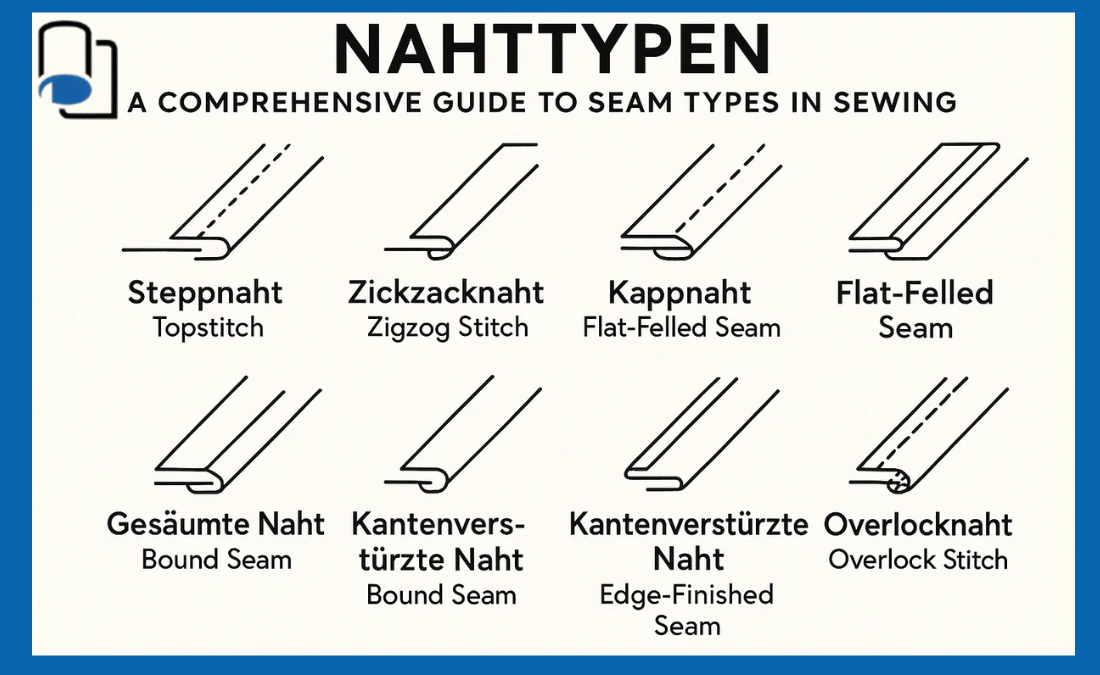
Nahttypen for Stretch Fabrics: Seam Types for Knits and Elastic Materials
Working with stretchy fabrics requires seams that move with the garment. These nahttypen are specifically for flexible textiles.
1. Stretch Seam
A straight stitch with slight stretch, used for seams that must withstand tension.
Uses: Activewear, swimwear, leggings.
Benefits: Durable, prevents seam cracking.
2. Twin Needle Seam
A double row of stitching on the top and a zigzag on the backside.
Uses: Hemming knit tops.
Benefits: Professional look, stretch-friendly.
3. Coverstitch Seam
A serger-like seam used primarily for hems on knits.
Uses: T-shirts, sportswear.
Benefits: Stretchy, neat, widely used in commercial garments.
Decorative Nahttypen: Seams That Enhance Aesthetic Appeal
Seams can also be a strong artistic element.
1. Piping Seam
A decorative rope-like insert around edges.
Uses: Dresses, upholstery, costume design.
Benefits: Adds contrast and character.
2. Embellished Seam
Seams decorated with embroidery, beads, or special threads.
Uses: Couture, bridal wear, cultural garments.
Benefits: Unique, expressive, luxurious.
3. Fagoting Seam
A decorative openwork seam created by joining two folded edges with embroidery stitches.
Uses: Heirloom sewing, elegant blouses.
Benefits: Airy, delicate, and ornamental.
Choosing the Right Nahttypen for Your Project
Selecting the best seam type depends on several factors:
1. Fabric Weight
- Light fabrics: French seams
- Heavy fabrics: Flat-felled seams
- Stretch fabrics: Overlock or stretch seams
2. Garment Style
- Formal: Bound seams, French seams
- Casual: Plain seams
- Decorative: Piping or slot seams
3. Durability Needs
- Workwear: Flat-felled seams
- Everyday wear: Overlock seams
- High-stress areas: Reinforced or topstitched seams
4. Experience Level
Beginners may prefer plain seams, while advanced sewists can explore welt, lapped, and corded seams.
Conclusion: Why Understanding Nahttypen Matters
Understanding nahttypen is essential for creating high-quality sewing projects, whether you are constructing everyday clothing, home décor, or specialized garments. Each seam type offers specific advantages—some provide strength, others flexibility, and many add beauty to your work. By learning about these different seam types and practicing them, you can improve your sewing skills, ensure better durability, and elevate the overall appearance of your creations.
From simple plain seams to intricate decorative seams, mastering various nahttypen opens up endless creative possibilities. Whether you are a beginner or an experienced tailor, choosing the right seam type will help you achieve professional, polished results every time.