
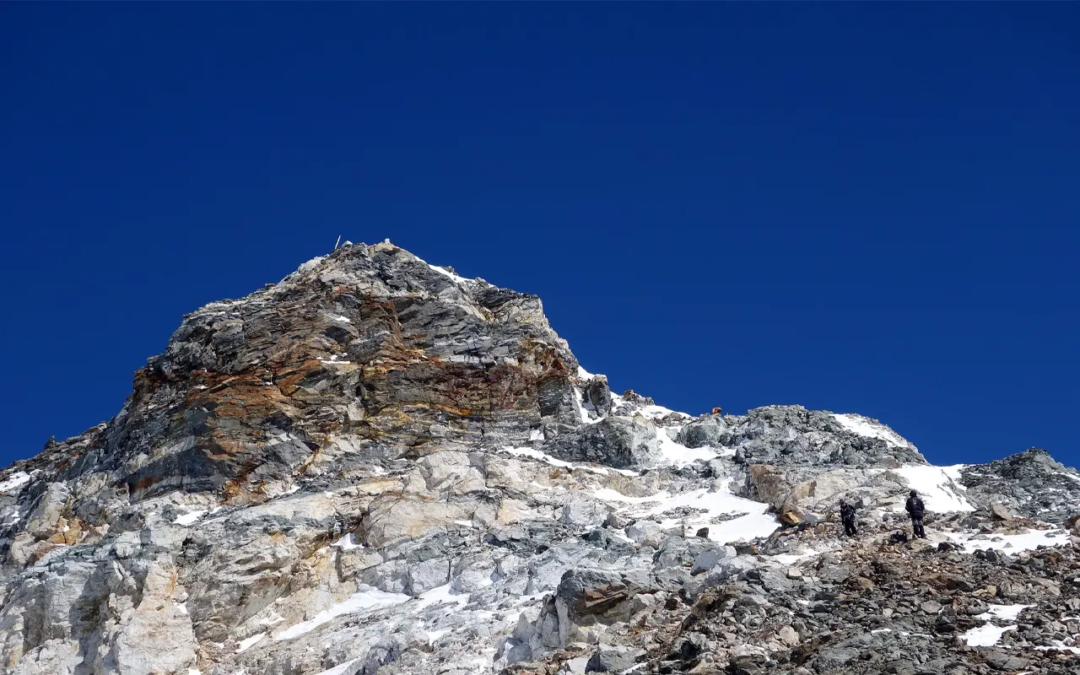

Yala Peak Climbing is one of the easiest “first Himalayan summit” experiences in Nepal because it combines a classic trek in the Langtang Valley with a short, non-technical climb. For the 2026/2027 seasons, planning your trip is still simple.
However, it is more important than ever to check the current road condition between Kathmandu and Syabrubesi. Weather and road conditions can change quickly and may affect your travel time. Seasonal weather can also impact the trekking trail and summit day, so it’s important to plan carefully.
What permits do you need for Yala Peak Climbing in 2026/2027
To a majority of the visitors, Yala Peak Climbing will require two permits. The first is the Langtang National Park Entry Permit, as the trek will be inside Langtang National Park. This permit may be acquired in Kathmandu or at the park entrance point on the trail.
The second card is the TIMS (Trekkers Information Management System) card. TIMS checks may be different depending on the geographical location and the checkpoint. To assure yourself that you will need it, it is better to prepare it on time before your trek.
A frequently asked question regarding Yala Peak is whether one will require a separate paid climbing permit, as that is necessary in some of the other trekking peaks.
The most recent change is that TAAN has listed Yala Peak as among the NMA peaks, whereby the climbers do not have to pay a separate climbing permit fee. This justifies what most trekking operators already practice in reality, to consider Yala a climb with fewer permit requirements than other mountains.
To put it simply, when visiting the Langtang National Park, the only thing you need to do is to plan your trip, which includes budgeting and organizing a TIMS card and your permit to the Langtang National Park, and any other paperwork is carried out by your agency as part of record keeping.
In the case of 2026/2027, Yala is one of the simplest peaks in Nepal regarding permits, and it is one of the main reasons that make it so well-liked by beginners.
Guide requirements and why they matter now
Separate from permits, Nepal has pushed for tighter management of trekking safety in recent years, including a policy direction requiring foreign trekkers to be accompanied by a licensed guide.
This was widely discussed during the rule changes and announcements around 2023, including the possibility that authorities may refuse to issue TIMS cards to trekkers who are traveling alone.
Rules may vary from one trail to another, but for Yala Peak Climbing, having a guide is helpful even beyond meeting the requirements. At Kyanjin Gompa (3,870 m (12,697 ft), altitude may be gained within minutes, and an experienced local guide is useful when there is snow across the track or no visibility at all.
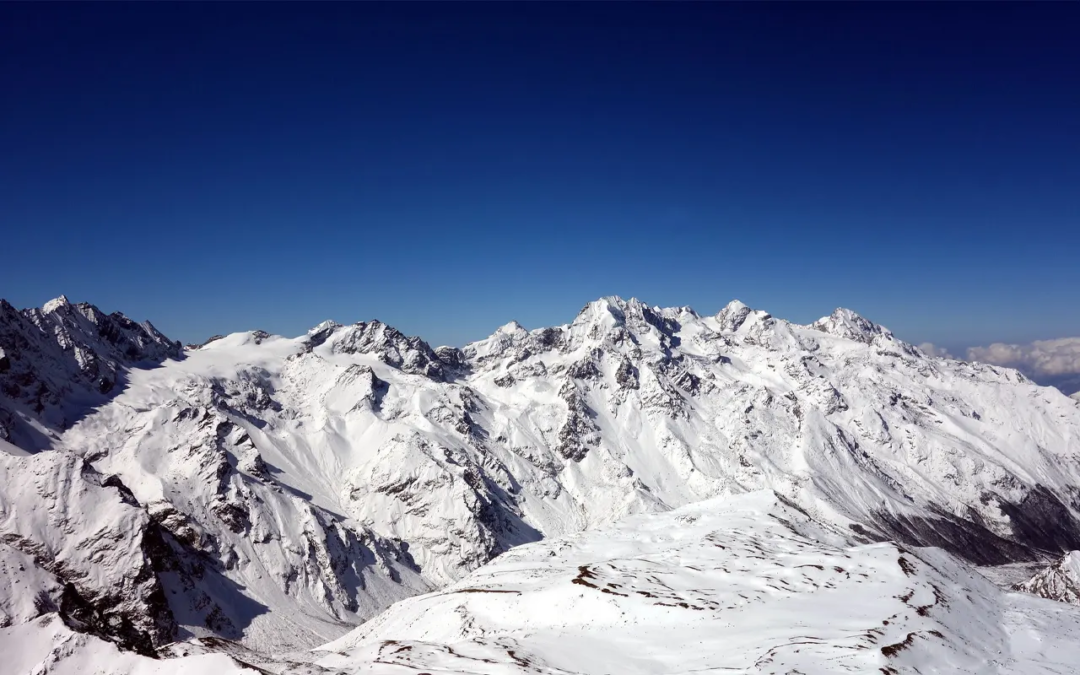
Road access in 2026/2027: Kathmandu to Syabrubesi reality check
Yala Peak Climbing begins at the point of getting to Syabrubesi, which is the typical trailhead of Langtang. Recent 2026-oriented travel reports estimate the road distance to be approximately 122-130 km (76-81 miles) and indicate a time of approximately 6-7 hours in a private jeep, depending on the condition of the road, construction, and weather.
These figures are a great planning base, but the reality of the road is seasonal. During the monsoon seasons, landslides and washouts may reduce travel to a crawl or create temporary road blockages, whilst the dry seasons will normally result in quicker travel but increased dust on the gravelly areas.
In case you want to do it in a tight time in 2026/2027, it is a good idea to create a buffer day on both sides of the Kathmandu Valley before the trek. The additional day is usually lifesaving to the whole itinerary when the road takes a bad turn.
To be comfortable and reliable, the private or shared jeeps will be more efficient on rough patches compared to the large buses, though they are more expensive. Buses are cheaper, and they are okay with most of the trekkers, but they have more delays.
Whichever mode of transportation you choose, get going early: it is best to leave Kathmandu in the morning, so that you have the best opportunity of arriving at Syabrubesi with daylight to pack gear, and get some sleep before the trek begins.
Trail conditions: what to expect from Syabrubesi to Kyanjin Gompa
The Langtang route is one of the reasons why Yala Peak Climbing remains so fulfilling. The path goes gradually up through valleys along rivers, and through wooded areas, then higher into broader alpine scenery. Kyanjin Gompa at 3,870 m (12,697 ft) is a major acclimatization and rest point for most trekkers who then proceed to a base camp.
Depending on the season, the quality of the trails is different. During spring, the track is normally dry and stable, and the visibility is usually excellent. Autumn is also characterized by clear skies once the monsoon has set in.
In monsoon, wet stone steps, muddy areas, and the likelihood of short trail disruption by minor slips or rockfalls in steep parts of rivers will be experienced. During winter, the trail can still be passable to the lower part, but at higher levels, snow and ice can accumulate, which makes days more important and early starts even more significant.
Accommodation in the main trail of Langtang is usually done in a teahouse, which is convenient, but it implies that the conditions also depend on the activity of the season. During high autumn weeks, rooms may book at an alarming rate, whereas colder seasons may be less hectic but colder and chillier at night.
The move to base camp and summit day conditions
Itineraries change to a more climbing-style rhythm from Kyanjin Gompa. Some climbers camp at Yala Base Camp at around 4,600 m (15,092 ft). However, some sources place the base camp closer to 4,800 m (15,748 ft), depending on the exact location and route used.
Weather and trail conditions are usually most challenging on summit day. Although Yala Peak is not technical, the snow hardness and visibility may vary to alter the climbing experience. When new snow falls, the trail might be more monotonous and tedious, and in chilly early mornings, the surface might be too hard to warrant the use of crampons to secure a firmer footing.
Another important factor is the wind. Even if the forecast looks good, strong winds can hit above the base camp area.
The larger Langtang area is evolving. The reports about the Yala Glacier reveal that the glacier happens to be shrinking. This is significant since the state of the glaciers and some snow influences the appearance of the high routes and their long-term stability.
The path is not always the same in all seasons of the year, particularly the shoulder seasons, where snow cycles may render the trail conditions more unpredictable.
So, what’s the best way to plan 2026/2027?
To have a hassle-free Yala Peak Climbing experience, make your plan based on three viable priorities.
Start with permits early. Consider the Langtang National Park entry permit and TIMS as a necessity since they are the documents most frequently verified and most evidently demanded in official directives.
When you call an operator, ask how they deal with Yala Peak Climbing Permits on the “peak” side; TAAN has a list of fees that confirms Yala to have no permit fee, which is a significant factor in it being a less complex climb than most other peaks.
Next, respect the road. The Kathmandu-Syabrubesi ride may be a long and exhausting one, even during a normal month. Plan your arrival so you have time to rest properly before starting the trek. It is also wise to include at least one extra day in your schedule in case flights are delayed or rescheduled.
Finally, do not expect perfect trail or weather conditions. Always be prepared for changes. The most comfortable windows are spring and autumn, and monsoon and winter can still be utilized as long as you are flexible and well-equipped.
The key is to control your trekking pace. Spend time at Kyanjin Gompa (3,870 m / 12,697 ft) to acclimatize properly before sleeping at base camp, which is usually between 4,600–4,800 m (15,092–15,748 ft). This also gives you flexibility to turn back if the wind, snow, or visibility are not good.
The reason why Yala Peak Climbing is popular is that it provides you with an authentic summit experience without the technical demands of larger targets. The 2026/2027 seasons should be an excellent time to target it with the appropriate paperwork in place, realistic road planning, and flexibility in approach to trail conditions.
Read more https://www.exploreinnepal.com/yala-peak-climbing/