

Introduction to Irene Pineau
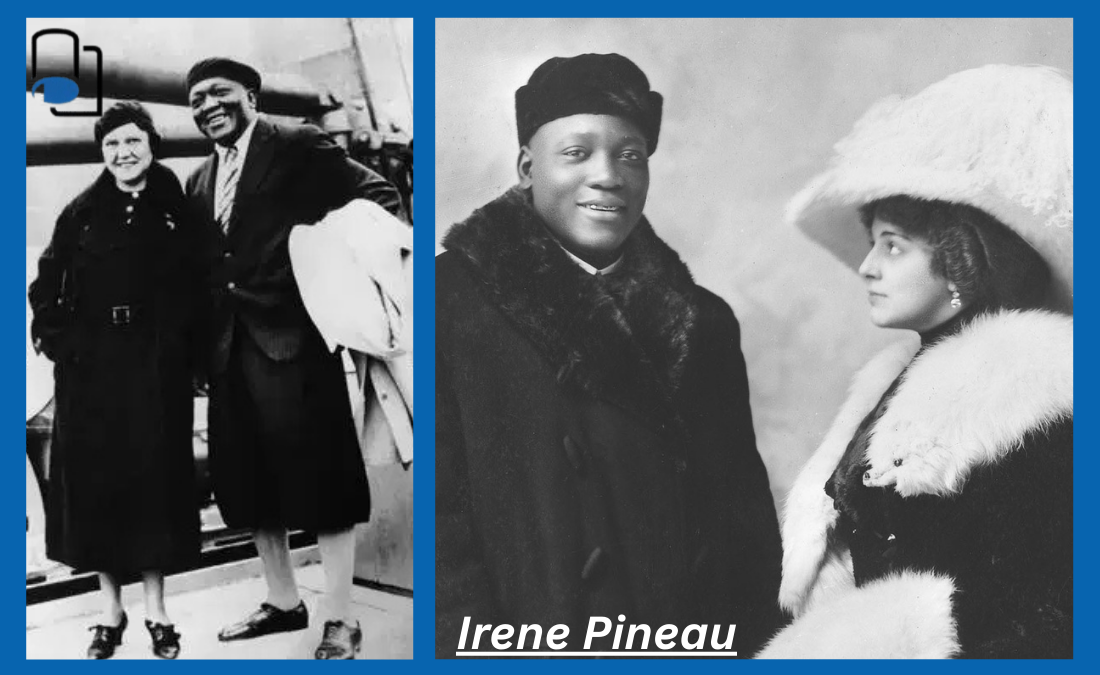
Irene Pineau is historically known as the third and final wife of the legendary American boxer Jack Johnson. While much of her life has been overshadowed by Johnson’s fame, her story provides insight into early 20th-century society, race relations, and the courage required to defy social norms. As a white woman who married an African American man at a time when interracial marriages were largely taboo, her life represents both personal devotion and symbolic defiance.
Early Life of Irene Pineau
Details about Irene Pineau’s early life, including her birth date, family background, and education, are scarce. Public records about her exist mainly through her association with Jack Johnson. Before meeting Johnson, she was married to another man, from whom she later divorced. This decision to leave her first husband would mark the beginning of a life intertwined with a figure whose influence reached far beyond the boxing ring.
Even without extensive early biographical information, Irene Pineau’s significance emerges from the era she lived in—a period marked by racial segregation, social conservatism, and strict moral codes, especially regarding interracial relationships.
Meeting Jack Johnson: A Defining Moment
Irene Pineau met Jack Johnson in the mid-1920s at a race track in Illinois. By then, Johnson had already achieved international fame as the first African American heavyweight boxing champion. His life had been marked by both triumphs in the ring and controversy outside it, particularly because of his relationships with white women, which often drew intense scrutiny.
Their meeting represented more than a personal encounter—it was the start of a partnership that would challenge societal norms. At a time when interracial relationships faced public condemnation and legal restrictions, Pineau’s willingness to pursue a relationship with Johnson reflected personal courage and an unconventional approach to love and loyalty.
Marriage to Jack Johnson
In 1925, Irene Pineau divorced her previous husband and married Jack Johnson in Illinois. Their marriage lasted until Johnson’s death in 1946. Throughout these decades, the couple faced both social disapproval and public attention. Johnson had long been a figure of fascination and controversy, and Pineau’s decision to marry him placed her at the center of a complex cultural conversation about race, relationships, and fame.
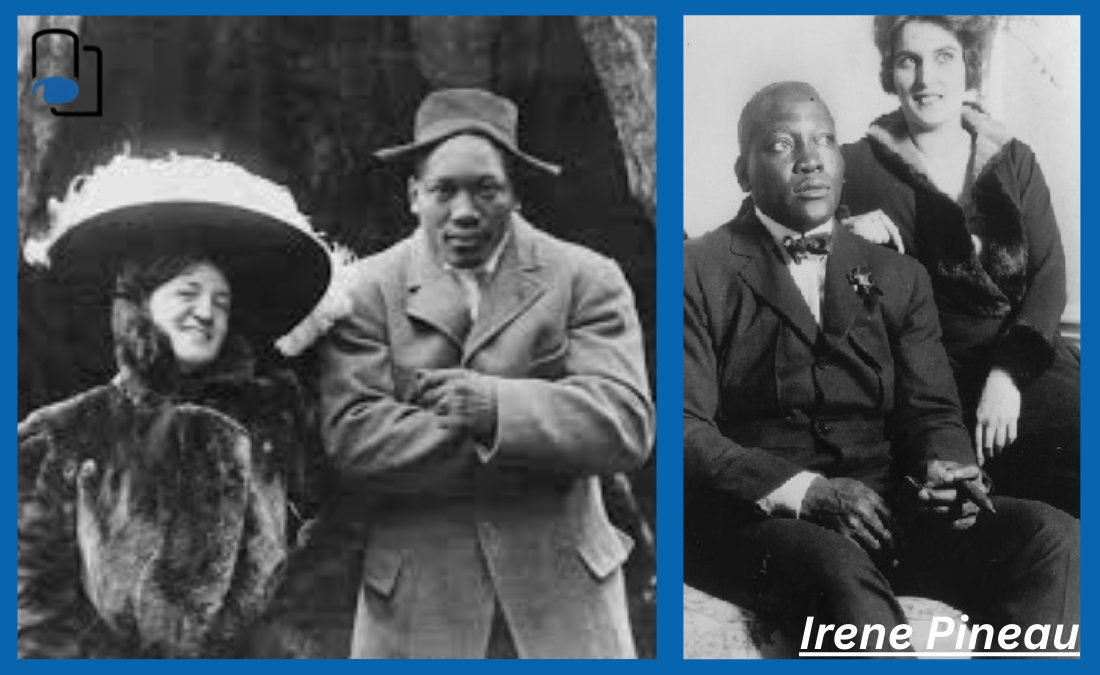
Their union was significant in the broader social context. Interracial marriage was rare and often illegal in many U.S. states. Johnson himself had faced legal persecution for his relationships with white women. Pineau’s marriage to him not only defied social conventions but also became a symbol of resistance against racial prejudice and the rigid expectations of the time.
Life in the Public Eye
Although Irene Pineau did not seek personal fame, her connection to Jack Johnson placed her in the public eye. Newspapers often reported on Johnson’s personal life as much as his professional achievements. While Pineau rarely spoke publicly, her presence alongside Johnson contributed to the public’s fascination with his life and choices.
Even in public appearances, Pineau was seen as a stabilizing influence on Johnson. She supported him through financial challenges, the pressures of fame, and legal difficulties, demonstrating resilience in an era when both she and Johnson faced significant societal obstacles.
Challenges and Social Context
Understanding Irene Pineau’s life requires recognizing the societal challenges of the time. The early 20th century was marked by deep racial segregation and widespread discrimination. Anti-miscegenation laws made interracial marriages illegal in many states. Interracial couples often faced harassment, social ostracism, and legal consequences.
In this environment, Pineau’s marriage to Johnson was both courageous and controversial. She stood beside a man who had defied social conventions throughout his career and life. Their marriage can be seen not only as a personal commitment but also as a subtle act of defiance against systemic racism and societal pressure.
Life After Boxing
After retiring from boxing, Jack Johnson remained a public figure, traveling and engaging in exhibitions and other business ventures. Irene Pineau accompanied him, maintaining a private and stable life amidst the continuing scrutiny of the public and media.
The couple’s marriage endured for over two decades. Despite the challenges posed by Johnson’s legal history, financial ups and downs, and societal prejudice, their relationship remained strong. Pineau’s loyalty and support were central to this enduring partnership.
Personal Strength and Legacy
Irene Pineau’s life, while largely overshadowed by her husband’s fame, offers a glimpse into the courage and resolve required to live authentically in a society governed by strict racial and social hierarchies. Her marriage to Jack Johnson exemplified personal strength and the ability to make unconventional choices in love.
By standing with Johnson, Pineau played a role in challenging public perceptions and racial boundaries. Her legacy is tied to both her personal devotion and the broader social implications of her choices during a time of profound inequality.
Conclusion
Irene Pineau may not have sought the spotlight, but her life as the wife of Jack Johnson illuminates the intersections of love, race, and social defiance. She navigated a world of social scrutiny and legal obstacles with quiet strength and resilience. Through her enduring marriage, she left a subtle yet significant mark on history, demonstrating that courage can manifest not only in public acts but also in the personal commitments that defy societal expectations.
Her story reminds us that the people who stand beside transformative figures often shape history in profound ways, even if their contributions remain less celebrated. Irene Pineau’s life and choices remain a testament to love, loyalty, and courage in the face of societal prejudice.